Let’s explore the hidden sophistication in your retirement plan’s “simplest” option. Chuck and Michael welcome special guest Andrew Jacobs van Merlen, Portfolio Manager for T. Rowe Price Target Date Strategies, for a conversation about the evolution of the $5.2 trillion target date retirement fund industry.
Chuck and Michael host Richard Thies from Driehaus Capital Management. Together they explore the forces shaping emerging‑market (EM) performance, including Iran, the value of the dollar, and AI. Let’s explore.
Chuck and Michael delve into the intriguing world of market bubbles, exploring the signs, the psychological factors at play, and the lessons learned from past market dynamics. Are we in an AI bubble today, and what does that mean for investors?
Chuck and Michael are joined by special guest Wasif Latif, Co-Founder, President & CIO of Sarmaya Partners. Chuck, Michael and Wasif discuss the current trends in commodities and how commodities move in supercycles. They explore investment strategies in commodities, focusing on gold markets, which coincidentally hit a record high the day they recorded this podcast.
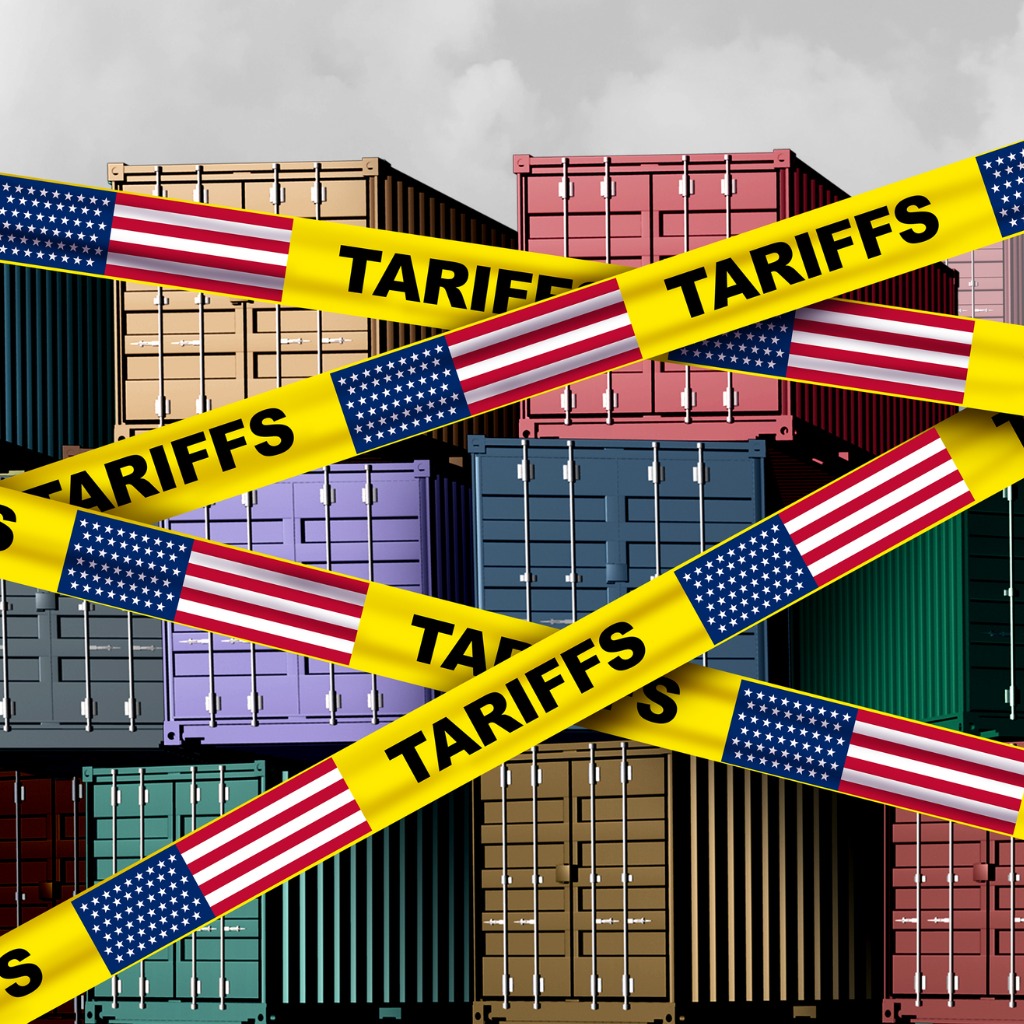
Navarro is one of President Trump’s economic advisers and the one most closely associated with tariffs. Navarro, who has a Ph. D. in Economics from Harvard, holds extremely strong beliefs in the positive power of tariffs. What are the pro-tariff arguments? Let’s break them down.