Rule one: When you realize you have made a mistake, don’t make it worse. That seems like such an easy concept, but it is so hard in real life. It is our nature to fixate on the original mistake instead of dealing with where we are now. This happens in investing all the time: An investor makes a mistake like investing at the wrong time only to see their investment lose value, and then they turn it into two mistakes by selling at the very worst time.
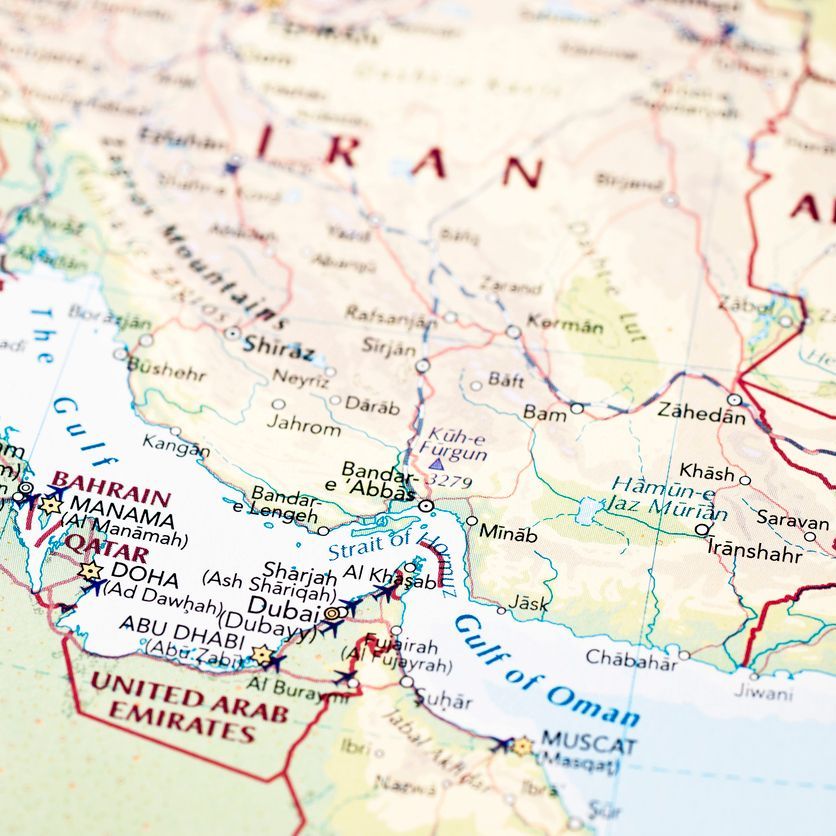
I fear we may be in one of those situations with the war in Iran. It is rightfully the biggest story today. People are focused on the horrors of war; on the high cost of gas as a result of the war; on whether the administration was right to get us into this war in the first place. They focus on how much money each bomb costs. All of these things are valid; however, there may be more at stake.
Well-known hedge fund manager Ray Dalio wrote a very insightful article in Substack, “It All Comes Down to Who Controls the Strait of Hormuz: The “Final Battle”.” He reminds his readers of some important history. In 1956 the British, French, and Israelis invaded Egypt. Israel invaded first with the intention of reopening the Strait of Tiran from an Egyptian blockade. The British and French then joined Israel with the larger mission of overthrowing Egypt’s president Gamal Abdel Nasser and regaining control of the Suez Canal.
Although initially militarily successful, the British and French eventually caved to international pressure from the United States, the Soviet Union, and the United Nations to leave, and the Suez Canal remained a nationalized asset of Egypt, giving Egypt significant influence in international trade. The ultimate failure marked the end of these once great European powers as the primary powers in the world, and the recognition of a new world order with the United States and the Soviet Union as the two superpowers dividing the globe.
If this current crisis ends with Iran controlling the Strait of Hormuz, it will have devastating impact on the credibility of the United States as a superpower in our world. While there are some who think this would be a good thing, I would argue that they are naïve. We are far from perfect, but to not understand that the United States is and has been a beacon of light in an otherwise dark world is to be willingly ignorant of human history.
Do I protest too much? Our military is superior to any other in the world. There is no way we lose this, right? I am a proud graduate of Culver Military Academy. When I was there in the 1980s, our military instructors were all Vietnam veterans. They taught one lesson I will never forget, simply by asking a question: “How do we lose a war without losing a single battle?” Militaries win wars, but politicians lose them.
Starting this war may have very well been a huge mistake, or maybe it wasn’t. Ultimately history will decide that, but for the sake of argument, let’s just say it was a mistake. That mistake has been made and it cannot be undone. We desperately need adults who understand that. We need leaders in Congress who want to do something more important than go viral on social media, and we need an established media that understands that this isn’t a game of gotcha. Unfortunately, we have neither.
Ultimately, our leaders are a reflection of us. Do we reward immature behavior? Are we glad when our elected officials allow TSA employees to go unpaid and travelers to have their lives disrupted just to make a political point that they had already won? Do we applaud when our representative lands some childish zinger in what is supposedly a working committee meeting, which derails any actual work but makes for great online entertainment? Are we still a serious nation that understands that we live in a serious world?
If we are, then we will understand that even if we disagree with the action in Iran, we know that success is of vital importance to the world. We can let our disagreement be known in the upcoming election and work to ensure similar mistakes are not made in the future. However, we must deal with today for what it actually is and not what we hoped it would be. We are in this now, and we had better win it. At least that is my perspective.
Warm regards,

Chuck Osborne, CFA
