Long term. I have probably used the phrase a million times, as has anyone who has been in the financial world. No matter how one says it, long term, long haul or long run, it is a phrase that has different meaning to different folks. Let’s face it, time is relative…
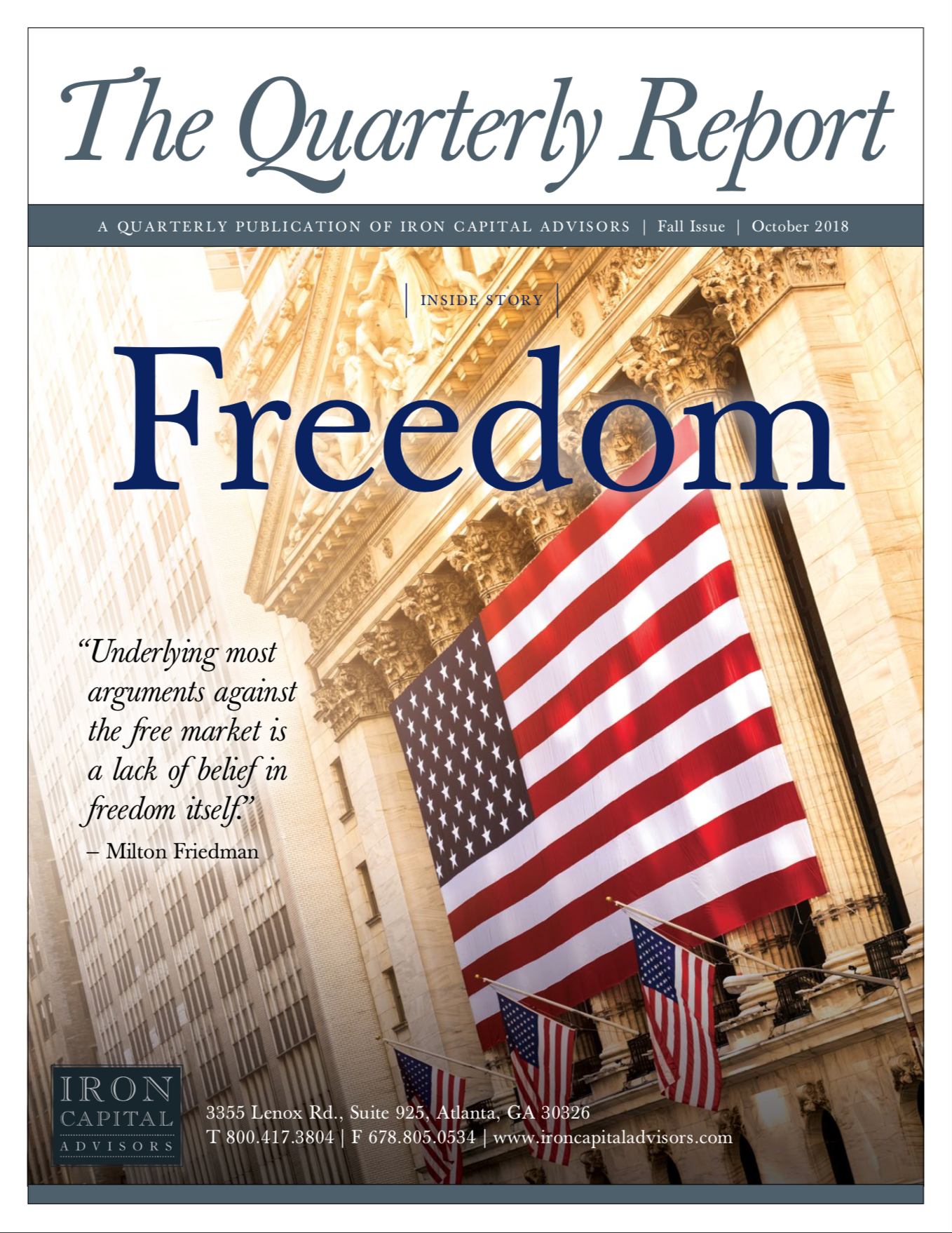
Freedom works. Why is this so hard for us to understand? It is in our nature to want to control, to believe that someone has to be in control. This theme runs through every ancient religion, and overcoming that desire to control is central to all of them. Yet capitalism and its political partner, democracy, will always have their critics.

Behold the power of compounding, when one event piles on top of another, then another. In the investing world we usually talk about compounding and how it impacts investment returns. Albert Einstein may have won a Nobel Prize for his theory of relativitiy, but when asked what the greatest invention in human history was, he said, “compound interest.”
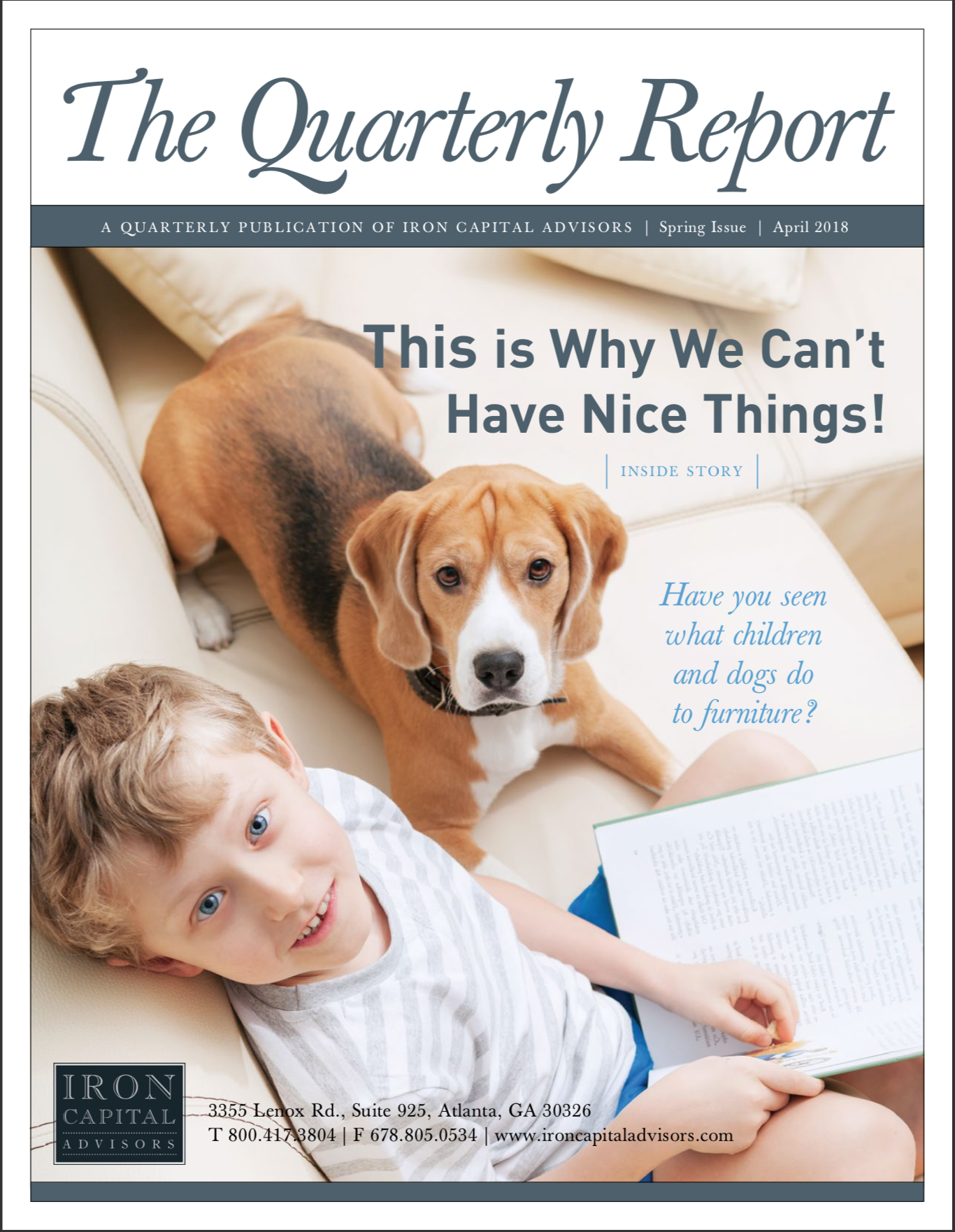
Have you ever taken something back to a store and all the store will give you is a store credit? It is aggravating, isn’t it? You may not wish to buy anything else in that store. What you really want is your money back so you can go anywhere. With international trade, this is the way local currency works. China takes dollars. Dollars are like store credits, they eventually have to be used here if you want your value.

My wife loves flowers. Her Mom and Dad both liked digging in the dirt, as they say, and they grew lots of things. This was a little different for me when we first got together; my Mom baked, and she was (still is – though she does it much less now) fantastic at it. While I did not grow up in a home that had lots of flowers, I do understand their value.

